SCROLL DOWN TO READ ALL
1/18

COPD: Eat Right at Every Bite

Healthy Food for COPD
 
Eating right may help boost your energy when you have COPD. If you're losing a lot of weight, a few "comfort foods" may return to your diet. Breathing burns 10 times more calories when you have COPD. For people who are watching their weight, smaller portions of the nutrient-packed foods in this slide show will keep calories in check and provide the fuel your body needs to help you feel your best.

2/18

Eat More Often

Great Snack for COPD
 
If you find yourself getting fatigued while you eat, or you have trouble breathing because you get too full, try eating smaller meals more often. Four to six small meals during the day, instead of three large meals, will keep you from getting overly full. It also will require less energy to eat. That means you'll be less fatigued and better able to get what you need from the food you eat. Also, relax and rest before you eat.
 
3/18

A COPD Breakfast

Great COPD Breakfast with Fiber Cereal and Fruit
 
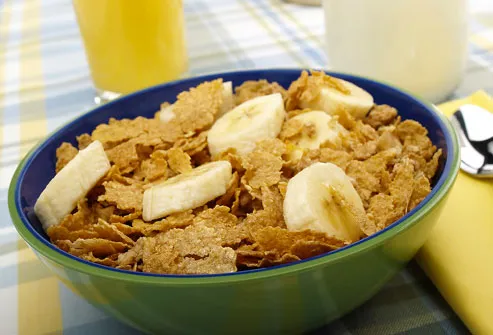
Breakfast may be your most important meal. A lot of people with COPD get too fatigued later in the day to eat well. If that sounds familiar, try to have your largest meals early in the day, when you have the most energy. And since you should be getting 25 to 30 grams of fiber every day, starting with a bowl of bran cereal and whole wheat toast gets you headed in the right direction.
 
4/18

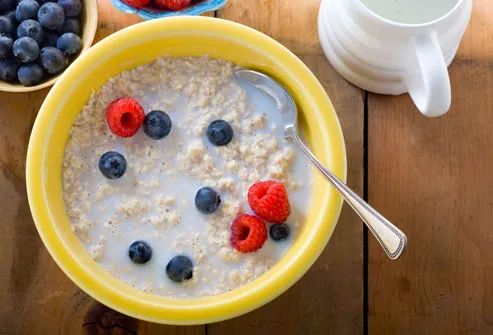
Oatmeal With Milk

Oatmeal with Milk is Great for COPD
 
Another great food for starting your day is hot oatmeal. It's easy to eat and rich in fiber, calcium, iron, and vitamin A. Preparing it with milk instead of water makes it even more nutritious. And if you're trying to shed a few pounds, oatmeal deserves a place in your diet. Its high fiber content helps you feel full with fewer calories. Top it with berries instead of sweeteners to keep the calorie count low.
 
5/18

Eat More Nutritious Foods First

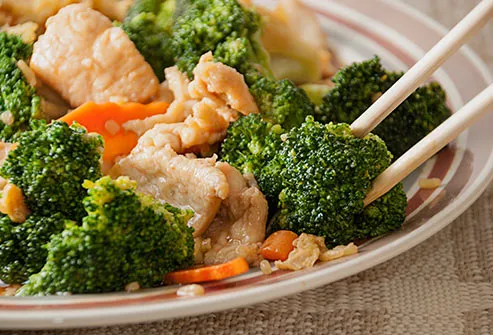
broccoli chicken stir fry
 
If fatigue is making you stop eating before you get the calories and nutrients you need, eat the high-calorie items first. But don't go for the "empty calories" of mashed potatoes or desserts. Sink your fork into chicken, lean beef, baked fish, or tofu so you get protein with every bite.
 
6/18

Say Cheese

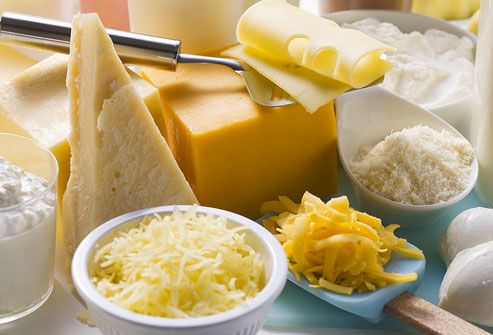
High Calcium Cheese for COPD
 
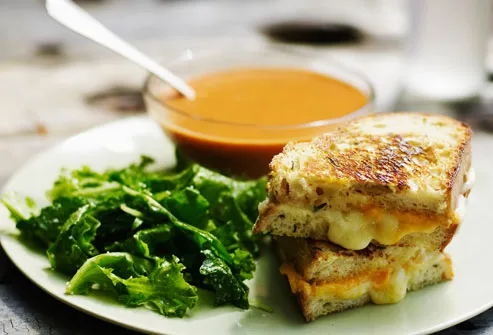
Adding cheese to dishes like potatoes, rice, or vegetables will increase both the nutrient value and the caloric value of any meal. Plus you'll get extra calcium to help protect your bones, which can be made brittle by some of the medicines prescribed for COPD. When you want the nutrients in cheese at a lower calorie count, look for those labeled "part-skim" or "reduced-fat."
 
7/18

Drink Plenty of Fluids

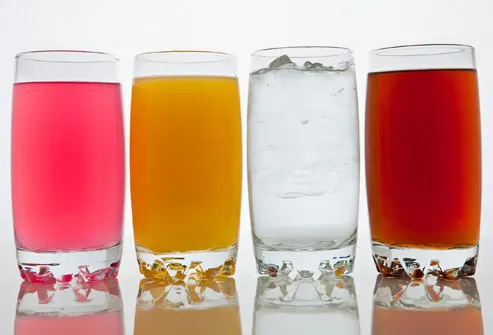
Assortment of Hydrating Liquids
 
Drinking plenty of non-caffeinated fluids will help keep the mucus in your airways thin and make it easier to clear your lungs. At mealtimes, eat first and sip later. That way you won't feel full before you've had a chance to get a solid, nutritious meal.
 
8/18

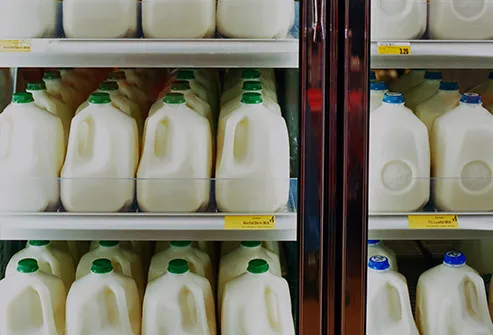
Milk, Please

rows of milk
 
If you need to gain weight, your body can make good use of the calories in milk, while the calcium and vitamin D help keep your bones strong. Try drinking it in place of water throughout the day.
 
9/18

Avoid Caffeine

coffee beans
 
Caffeine is not a good choice for someone with COPD. It can interfere with some medicines and may cause nervousness and restlessness, which can exacerbate your symptoms. So avoid or limit coffee, tea, and caffeinated sodas. And yes, unfortunately, the caffeine in chocolate lands it on the no-no list.
 
10/18

Get More Fiber

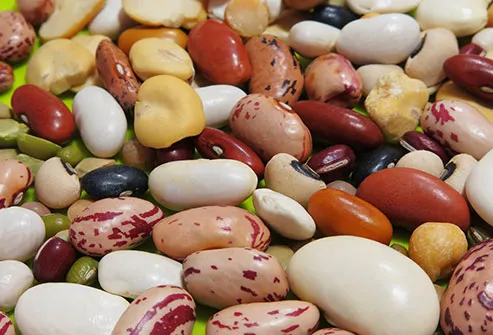
dried beans
 
Because you're unlikely to get all of the 25 to 30 grams of fiber you need each day from breakfast alone, include high-fiber foods in your other meals. A bowl of low-sodium split pea or lentil soup makes an excellent hot lunch. Other good sources of fiber include dry beans, bran, brown rice, whole-grain cereals and breads, and fresh fruits and vegetables.
 
11/18

COPD Caution: Gas-Inducing Foods

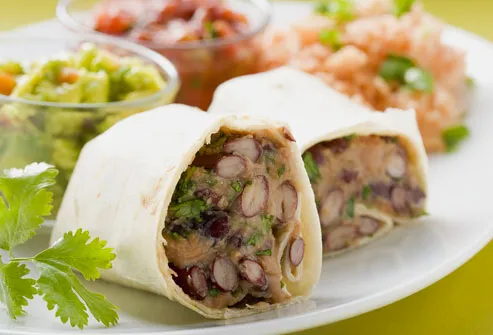
Gassy Foods and COPDcopd
 
While foods like a bean burrito do provide protein and fiber, use caution. Foods that cause gas or bloating can make breathing feel harder. Common culprits include carbonated beverages, greasy fried foods, heavily spiced foods, beans, and vegetables like cabbage and broccoli. But each person reacts a little differently. Keep a food diary to see which ones affect you; then steer clear of the troublemakers.

 
12/18

Eggs Offer a Calorie Boost

Calorie Boosting Eggs and COPD
 
If you're looking for ways to boost your calorie intake, try adding an extra egg to your recipes. Mix a whole egg to your next meatloaf before baking. Or try it in macaroni and cheese. Avoid raw egg, sometimes used in the dressing for Caesar salad, to prevent food poisoning.

 
13/18

Snack Right

Healthy Snacks for COPD
 
If you need to gain weight, keep high-calorie, healthy snacks handy. Have a handful of nuts or a ready-to-eat pudding cup. You can buy low-fat or nonfat pudding cups to avoid unhealthy cholesterol and saturated fat. Crackers with cheese or fruits and vegetables with dip are other nutritious snack ideas.
 
14/18

Keep It Fresh

Fresh Produce for COPD
 
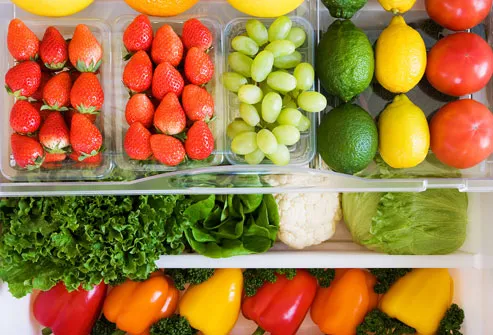
Eating fresh fruits and vegetables whenever you can will yield big benefits. They are packed with nutrients. And eating a balanced diet instead of a meat-and-potatoes regime contributes to better overall health and energy.
 
15/18

Shakes and Smoothies

Smoothies and Shakes are Great for COPD
 
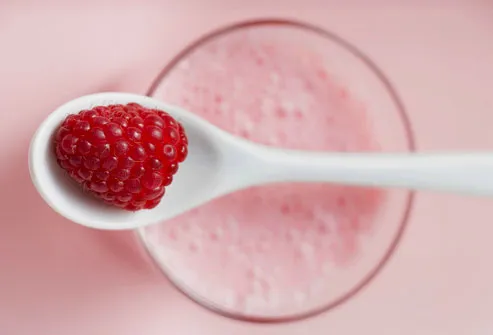
Foods rich in calcium and vitamin D are essential for keeping bones healthy. That's why milkshakes and smoothies are the perfect snacks for many people with COPD. Use milk or yogurt -- choosing lower-fat products if weight control is desired -- and use fresh fruit for nutrients and fiber. Canned, fortified shakes are no-fuss drinks that are ready to be used straight out of the fridge.
 
16/18

Starchy Vegetables

baked squash
 
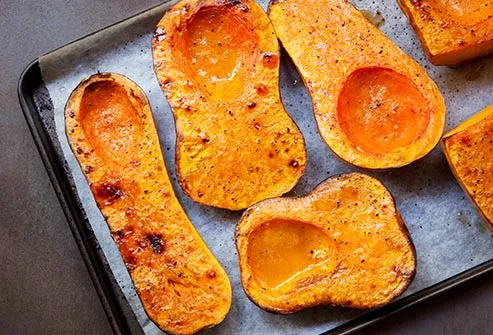
Starchy vegetables like beets, corn, carrots, and winter squash are rich sources of vitamins and minerals. And they have more calories than other vegetables. Baked squash casserole makes an excellent side dish or main course. And soup is a savory way to enjoy these richer vegetables.
 
17/18

Boosting the Protein

Scoop of Protein Powder Supplement
 
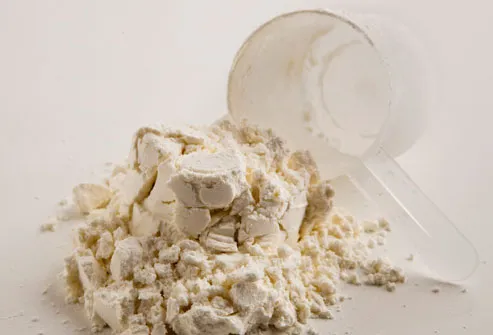
Protein is an essential element in everyone's diet, but it's especially important when you have COPD. Add nonfat dry milk, protein powder, or soy protein powder to dishes like mashed potatoes, casseroles, soups, even hot cereal.
 
18/18

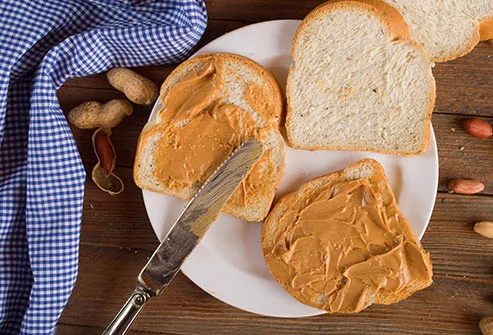
Protein at Every Meal

peanut butter
 
Peanut butter can pump up your intake of both calories and protein, with little time or energy wasted on preparation. Protein is important at every meal for people with COPD. Good sources include eggs, lean meat, fish, poultry, legumes, and nuts.
 

1/15

Straight to Your Head

couple in cafe drinking beer
 
Thirty seconds after your first sip, alcohol races into your brain. It slows down the chemicals and pathways that your brain cells use to send messages. That alters your mood, slows your reflexes, and throws off your balance. You also can’t think straight, which you may not recall later, because you’ll struggle to store things in long-term memory.

2/15

Your Brain Shrinks

normal vs alcoholic brain
 
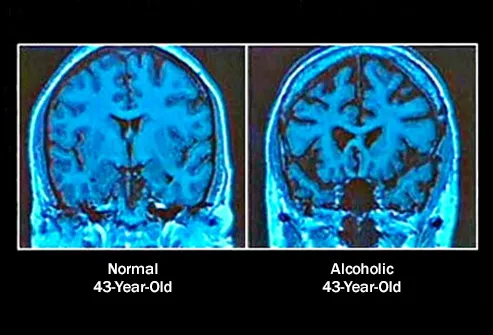
If you drink heavily for a long time, booze can affect how your brain looks and works. Its cells start to change and even get smaller. Too much alcohol can actually shrink your brain. And that’ll have big effects on your ability to think, learn, and remember things. It can also make it harder to keep a steady body temperature and control your movements. 
 
3/15

Does It Help You Sleep?

man_sleeping in bed after drinking
 
Alcohol’s slow-down effect on your brain can make you drowsy, so you may doze off more easily. But you won’t sleep well. Your body processes alcohol throughout the night. Once the effects wear off, it leaves you tossing and turning. You don’t get that good REM sleep your body needs to feel restored. And you’re more likely to have nightmares and vivid dreams. You’ll also probably wake up more often for trips to the bathroom.
 
4/15

More Stomach Acid

stomach full of acid anatomy
 
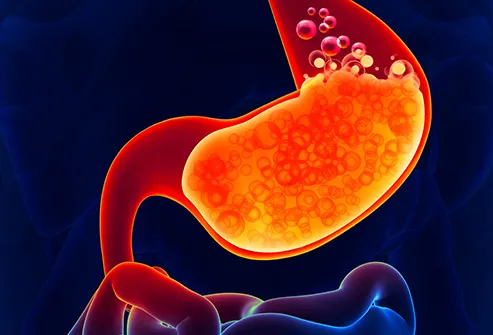
Booze irritates the lining of your stomach and makes your digestive juices flow. When enough acid and alcohol build up, you get nauseated and you may throw up. Years of heavy drinking can cause painful sores called ulcers in your stomach. And high levels of stomach juices mean you won’t feel hungry. That’s one reason long-term drinkers often don’t get all the nutrients they need.
 
5/15

Diarrhea and Heartburn

woman with heartburn on park bench
 
Your small intestine and colon get irritated, too. Alcohol throws off the normal speed that food moves through them. That’s why hard drinking can lead to diarrhea, which can turn into a long-term problem. It also makes heartburn more likely – it relaxes the muscle that keeps acid out of your esophagus, the tube that connects your mouth and stomach.
 
6/15

Why You Have to Pee … Again

running water faucet
 
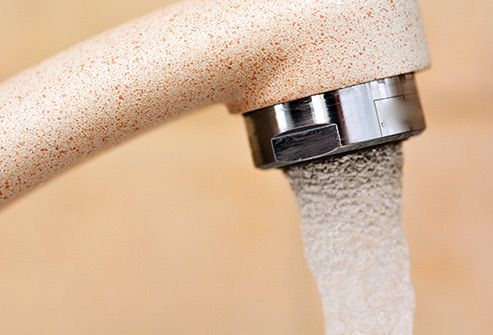
Your brain gives off a hormone that keeps your kidneys from making too much urine. But when alcohol swings into action, it tells your brain to hold off. That means you have to go more often, which can leave you dehydrated. When you drink heavily for years, that extra workload and the toxic effects of alcohol can wear your kidneys down.
 
7/15

The Steps to Liver Disease

healthy vs cirrhotic liver
 
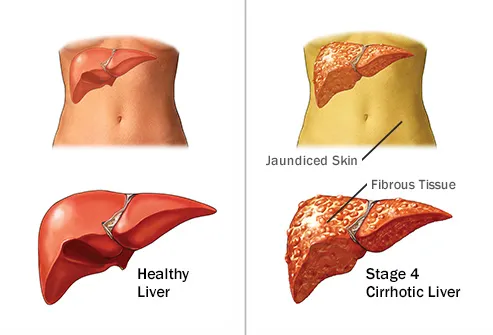
Your liver breaks down almost all the alcohol you drink. In the process, it handles a lot of toxins. Over time, heavy drinking makes the organ fatty and lets thicker, fibrous tissue build up. That limits blood flow, so liver cells don’t get what they need to survive. As they die off, the liver gets scars and stops working as well, a disease called cirrhosis.
 
8/15

Pancreas Damage and Diabetes

woman using glucometer
 
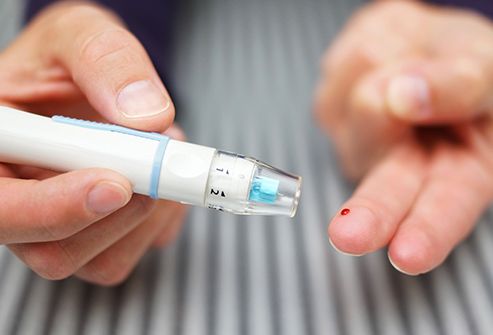
Normally, this organ makes insulin and other chemicals that help your intestines break down food. But alcohol jams that process up. The chemicals stay inside the pancreas. Along with toxins from alcohol, they cause inflammation in the organ, which can lead to serious damage. After years, that means you won’t be able to make the insulin you need, which can lead to diabetes. It also makes you more likely to get pancreatic cancer.
 
9/15

What’s a Hangover?

man with hangover
 
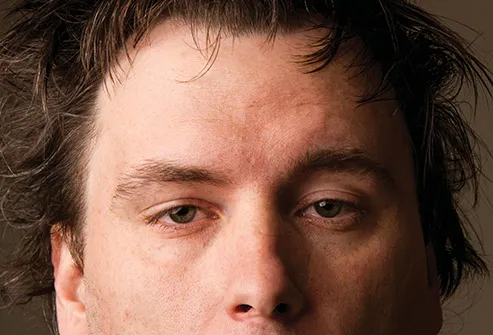
That cotton-mouthed, bleary-eyed morning-after is no accident. Alcohol makes you dehydrated and makes blood vessels in your body and brain expand. That gives you your headache. Your stomach wants to get rid of the toxins and acid that booze churns up, which gives you nausea and vomiting. And because your liver was so busy processing alcohol, it didn’t release enough sugar into your blood, bringing on weakness and the shakes.
 
10/15

An Offbeat Heart

metronome in motion
 
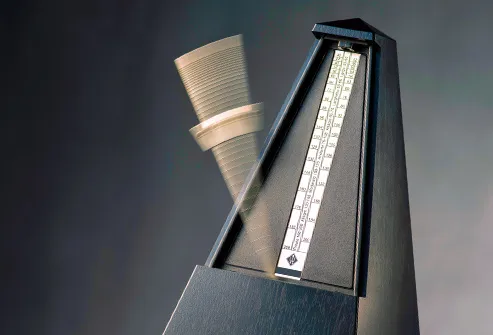
One night of binge drinking can jumble the electrical signals that keep your heart’s rhythm steady. If you do it for years, you can make those changes permanent. And, alcohol can literally wear your heart out. Over time, it causes heart muscles to droop and stretch, like an old rubber band. It can’t pump blood as well, and that impacts every part of your body.
 
11/15

A Change in Body Temperature

thermal image of couple drinking
 
Alcohol widens your blood vessels, making more blood flow to your skin. That makes you blush and feel warm and toasty. But not for long. The heat from that extra blood passes right out of your body, causing your temperature to drop. On the other hand, long-term, heavy drinking boosts your blood pressure. It makes your body release stress hormones that narrow blood vessels, so your heart has to pump harder to push blood through.
 
12/15

A Weaker Immune System

woman with head cold
 
You might not link a cold with a night of drinking, but there might be a connection. Alcohol puts the brakes on your immune system. Your body can’t make the numbers of white blood cells it needs to fight germs. So for 24 hours after drinking, you’re more likely to get sick. Long-term, heavy drinkers are much more likely to get illnesses like pneumonia and tuberculosis.
 
13/15

Hormone Havoc

calendar with circled dates
 
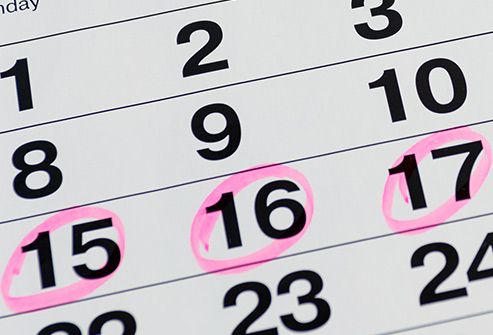
These powerful chemicals manage everything from your sex drive to how fast you digest food. To keep it all going smoothly, you need them in the right balance. But alcohol throws them out of whack. In women, that can knock your periods off cycle and cause problems getting pregnant. In men, it can mean trouble getting an erection, a lower sperm count, shrinking testicles, and breast growth.
 
14/15

Hearing Loss

hand cupped behind ear close up
 
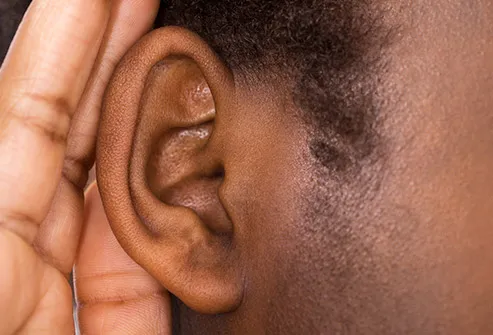
Alcohol impacts your hearing, but no one’s sure exactly how. It could be that it messes with the part of your brain that processes sound. Or it might damage the nerves and tiny hairs in your inner ear that help you hear. However it happens, drinking means you need a sound to be louder so you can hear it. And that can become permanent. Long-term drinkers often have hearing loss.
 
15/15

Thin Bones, Less Muscle

healthy bone vs osteoporosis
 
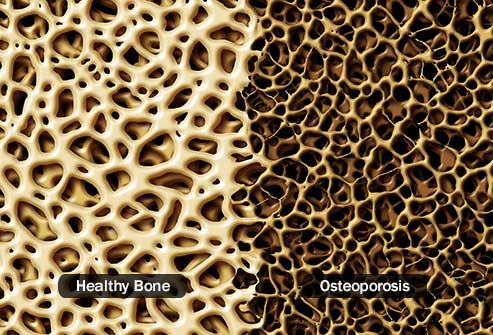
Heavy drinking can throw off your calcium levels. Along with the hormone changes that alcohol triggers, that can keep your body from building new bone. They get thinner and more fragile, a condition called osteoporosis. Booze also limits blood flow to your muscles and gets in the way of the proteins that build them up. Over time, you’ll have lower muscle mass and less strength.